Introduction
Cold-pressed juice is a popular choice among people who want to maintain a healthy lifestyle and include more fruits and vegetables in their daily diet. While many people enjoy fresh juices during summer, some wonder whether drinking cold-pressed juice during winter is a good idea. The colder weather often makes people prefer warm beverages such as tea, coffee, and soups. However, cold-pressed juice can still be a nutritious addition to your winter diet when consumed in moderation. Understanding its benefits and choosing the right ingredients can help you enjoy fresh juice throughout the colder months.
What Makes Cold-Pressed Juice a Healthy Choice?
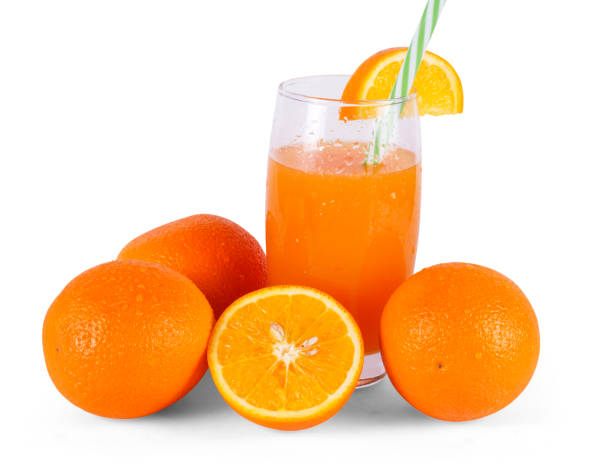
Cold-pressed juice is prepared using a special extraction method that crushes and presses fruits and vegetables to obtain their natural liquid. Unlike traditional juicing methods, this process uses minimal heat. It helps preserve many naturally occurring nutrients, including vitamins, minerals, and antioxidants. Ingredients such as oranges, carrots, apples, spinach, beetroot, and ginger can provide essential nutrients that support overall health. Including these juices in a balanced diet is one way to increase your intake of fruits and vegetables.
Can You Drink Cold-Pressed Juice During Winter?
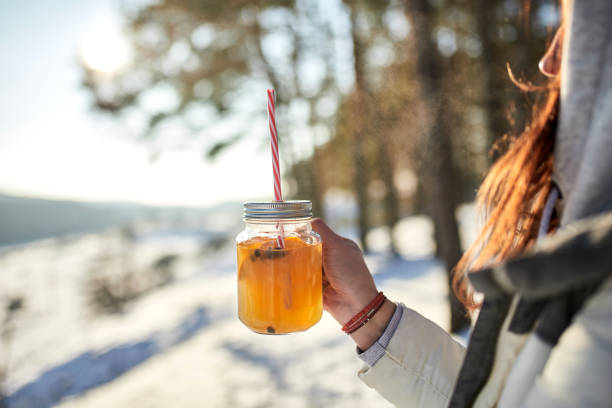
Yes, drinking cold-pressed juice during winter is generally safe for most healthy people. There is no scientific evidence that consuming cold beverages directly causes colds or flu. These illnesses are usually caused by viruses. However, drinking very cold juice may feel uncomfortable for people who are sensitive to cold temperatures or experience throat irritation. If you prefer warmer drinks during winter, you can allow your juice to reach room temperature before drinking it. This makes it more comfortable to enjoy without significantly changing its nutritional value.
Benefits of Drinking Cold-Pressed Juice in Winter
One of the main benefits of cold-pressed juice is its vitamin and antioxidant content. Citrus fruits such as oranges and lemons contain vitamin C, which supports normal immune system function. Carrots provide beta-carotene, which the body can convert into vitamin A. Leafy vegetables also contribute essential vitamins and minerals that support general well-being.
Another benefit is hydration. People often drink less water during winter because they do not feel as thirsty as they do in summer. Fresh juice contains water and can contribute to daily fluid intake. However, it should not replace plain water.
Cold-pressed juice can also make it easier to include different fruits and vegetables in your diet. Combining seasonal ingredients creates nutritious and refreshing drinks that add variety to everyday meals.
Best Ingredients for Winter Cold-Pressed Juice
Choosing seasonal ingredients can make your winter juice both delicious and nutritious. Oranges, sweet lime, apples, carrots, beetroot, pomegranates, and spinach are some excellent options. You can also add ginger for a naturally spicy flavour and lemon for a refreshing citrus taste.
For example, a combination of carrot, orange, and ginger creates a flavourful winter drink. Apple, beetroot, and lemon make another delicious option. These combinations provide different nutrients while keeping your juice naturally colourful and enjoyable.
Things to Keep in Mind While Drinking Juice in Winter
Although cold-pressed juice offers nutritional benefits, moderation is important. Juicing removes much of the fibre found in whole fruits and vegetables. Therefore, eating whole produce should remain a priority. Fruit juices can also contain significant amounts of natural sugar, so avoid drinking large quantities throughout the day.
Always choose freshly prepared juice or properly refrigerated products from reliable sources. Unpasteurised juice may contain harmful bacteria, so people with weakened immune systems, pregnant women, older adults, and young children should choose pasteurised options.
Conclusion
Drinking cold-pressed juice during winter can be a healthy choice when enjoyed as part of a balanced diet. It provides vitamins, minerals, antioxidants, and fluids that contribute to overall wellness. Choosing seasonal fruits and vegetables, avoiding excessive sugar intake, and drinking juice at a comfortable temperature can make the experience more enjoyable. You do not have to give up fresh juice when the weather gets colder. With the right ingredients and sensible consumption habits, cold-pressed juice can remain a refreshing part of your winter wellness routine.